Cheonan Potenza: Indentations on the Cheeks That Become More Noticeable When Wearing Makeup
2026-10-22T02:40:21+00:00
Cheonan Potenza: Indentations on the cheeks that become more noticeable when wearing makeup
“The unevenness on my cheeks is more visible when I wear makeup.”
“Can indentations remain even without acne?”
“The red marks have faded, but the skin texture is still the same.”
Hello.
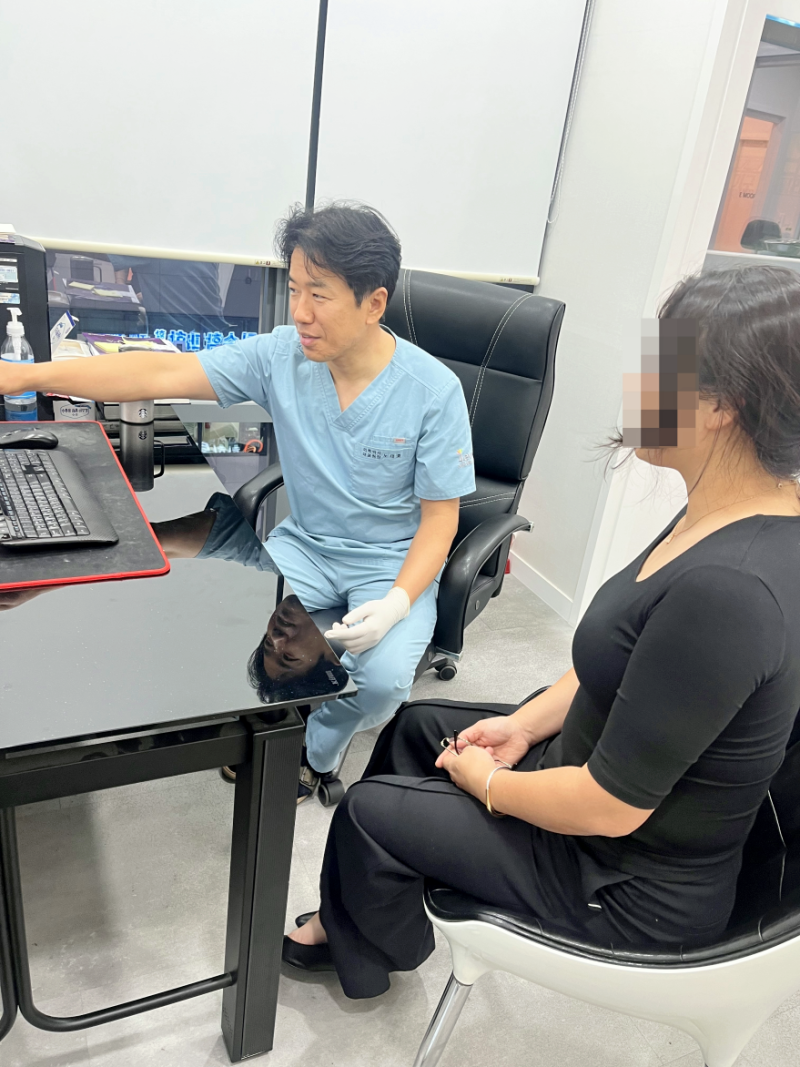
I am Noh Tae-ho, the representative director of Forever Clinic Cheonan Branch.
When acne is actively breaking out, you worry about new blemishes appearing.
However, if small indentations remain on your cheeks even after the acne has subsided, your concerns may shift.
Especially if the uneven areas become more prominent after applying makeup, you may wonder how to manage your skin texture.
When looking for skin texture management in Cheonan, it is helpful to distinguish between red or brown marks and sunken areas.
If you are considering Cheonan Potenza, it is necessary to first examine specifically what changes on the skin surface are most concerning.
Table of Contents
1. Marks that cannot be covered by makeup
2. How Potenza works on skin texture
3. Goals that vary depending on the shape of the indentation
4. The process of skin calming after treatment
5. Frequently Asked Questions
Not all acne scars are the same
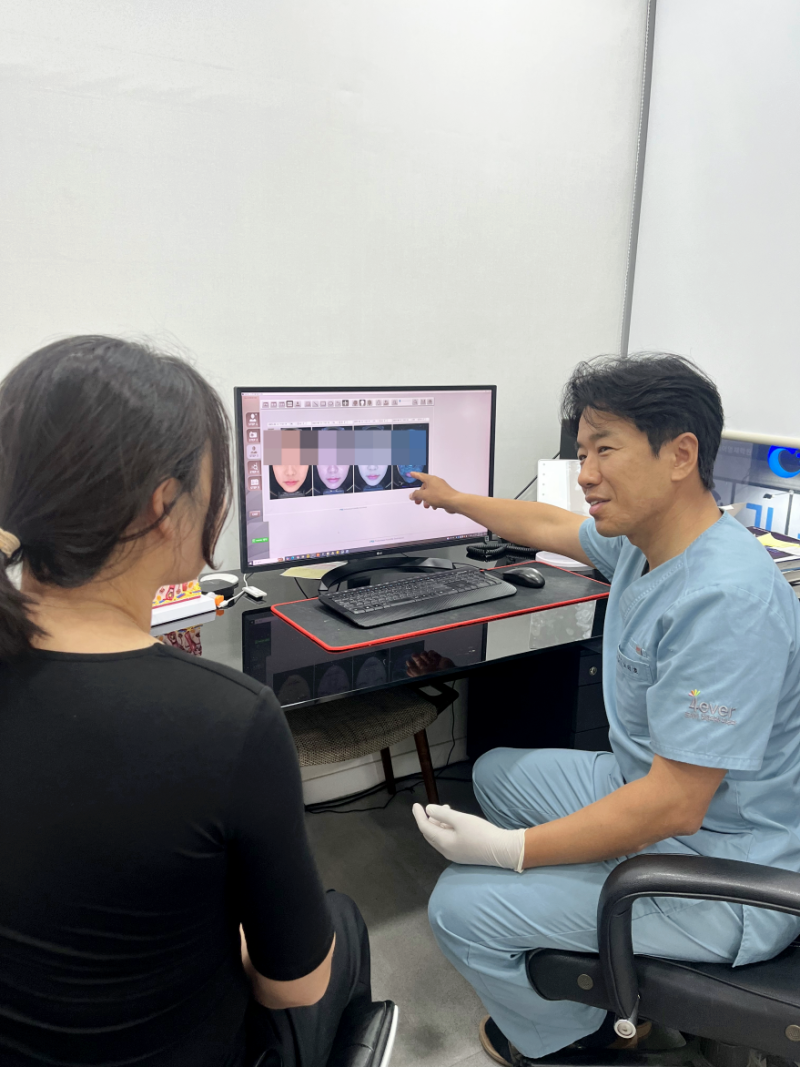
After acne disappears, red or brown marks may remain, or sunken scars may form.
While the areas with remaining color are relatively smooth on the surface, the sunken areas can create small shadows depending on the direction of light.
Therefore, you may not notice them immediately after washing your face, but the contours of your cheeks can become more apparent under lighting after applying makeup.
Areas that appear to have enlarged pores and acne scars can look similar.
Pores are enlarged natural openings in the skin, while scars are marks left after the skin is damaged by acne.
Deep indentations, in particular, can be difficult to smooth out with just moisturizing or makeup.
If you are looking into Cheonan Potenza, it is advisable to check if indentations from scars are mixed in with areas you thought were just enlarged pores.
Distinguishing whether the desired change is in skin color or surface contour will further clarify your management goals.
How does Potenza manage skin texture?
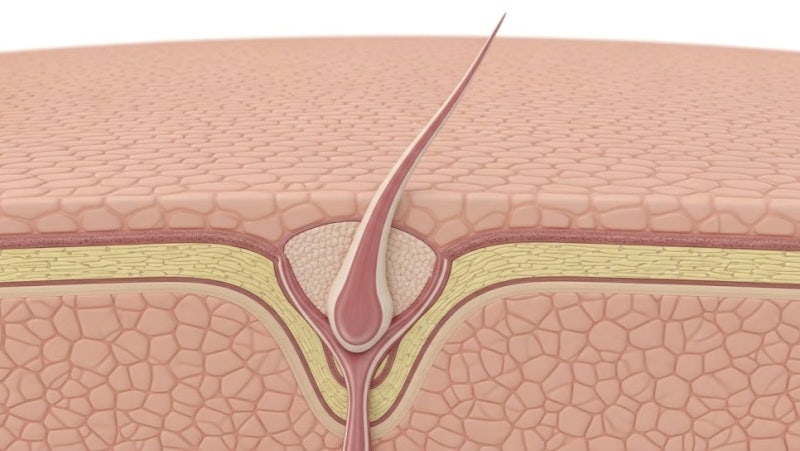
Potenza delivers high-frequency energy into the skin through fine needles.
This stimulation helps produce collagen during the skin's recovery process, and it is used to manage rough skin texture and indentations.
Unlike treatments that temporarily smooth the skin surface, this method considers changes occurring within the skin.
However, the expected results vary depending on the depth and shape of the indentations, so it is necessary to set management goals according to the condition of the scars.
Cheonan Potenza can be used on areas with concerns about skin texture, such as pores or acne scars, but the actual treatment area varies depending on the skin condition.
If you have active acne or remaining skin irritation, your current condition should be assessed first, and the timing of the procedure may be adjusted.
During skin management, it is important to plan without overdoing it, considering the recovery state rather than applying strong stimulation.
Consider the shape of the indentations as well
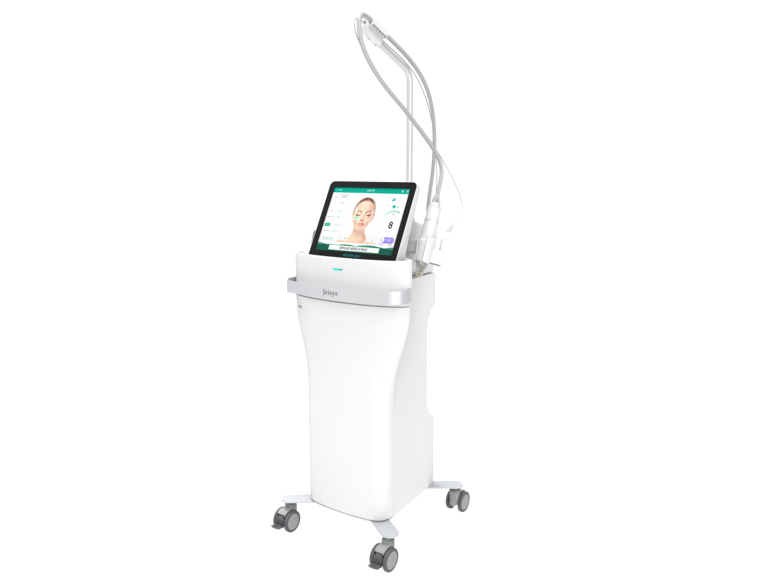
Acne scars can be small and deep, or they can appear as wide, gently sunken areas.
If different types of marks are mixed on the same cheek, it is helpful to examine the overall skin texture rather than focusing on just one area.
For example, the management goals can be set differently for multiple shallow depressions versus a single deep scar.
It is not always the case that old marks are treated in the same way.
Depending on the depth of the scar and the condition of the surrounding skin, it may be necessary to consider treatments other than Potenza.
When planning for Cheonan Potenza, it is important to specify how smooth you want your skin texture to be and to discuss the specific areas of concern.
Also, if you have had previous skin texture treatments, the response at that time can be referenced when planning the next steps.
If deep indentations are a concern, it is helpful to consider how naturally they blend with the surrounding skin.
After the procedure, the skin needs time to rest and recover
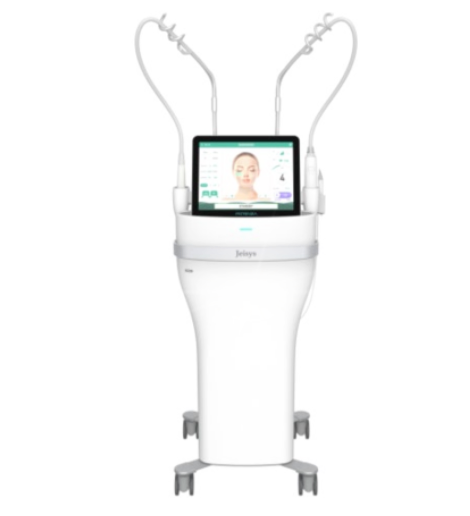
Since the procedure involves fine needles and thermal stimulation, the skin may appear red, sting, or show small dot-like marks immediately afterward.
Slight swelling and dryness may also be felt, so gentle care is recommended more than usual.
Forcing off dead skin cells or using harsh scrub products at this time can make the skin more sensitive.
The timing for resuming cleansing and makeup may vary depending on the skin's reaction, so it is appropriate to follow the instructions provided after the procedure.
When going outdoors, pay attention to sun protection, and if you feel dryness, protect your skin with a mild moisturizer.
It is important to understand the process of redness and swelling subsiding separately from the process of indentations gradually improving.
Changes in skin texture may appear over time along with the healing process, so it is difficult to judge based solely on the appearance on the day of the procedure.
If pain, redness, or swelling worsens or persists for a long time after Cheonan Potenza, the medical staff needs to assess the skin condition.
Frequently Asked Questions

Q. Can I get treatment only on my cheeks instead of my entire face?
A. We can plan the treatment based on the area of concern and skin condition, focusing on the necessary areas.
Q. Is the procedure painful?
A. You may feel a stinging sensation or warmth, and the degree of discomfort varies depending on your skin's sensitivity and the treatment area.
Q. Is it okay if I've had other scar treatments before?
A. We determine the next treatment plan after reviewing the type, timing, and skin response of previous procedures.
Q. What should I do about my usual exfoliating products?
A. If your products contain ingredients that may irritate the skin, the timing of their use before and after the procedure may need to be adjusted, so it is helpful to check the product types together.
If you are concerned about marks on your cheeks that cannot be covered even with makeup, it is helpful to examine not only the color of the marks but also how indented the skin surface is.
When aiming for smooth skin texture, it is important to consider both the skin's recovery process and the characteristics of the scars.
Clarifying the area that initially concerned you the most will allow you to observe subsequent small changes more calmly.
This was Noh Tae-ho, the representative director of Forever Clinic Cheonan Branch.
*This post was written directly by the medical institution in accordance with Article 56 of the Medical Service Act and may contain advertising content depending on the interpretation.
This article was written by Forever Clinic Cheonan Branch, located in Seobuk-gu, Cheonan-si, Chungcheongnam-do, in compliance with Article 56, Paragraph 1 of the Medical Service Act.
It provides information that may be helpful to those researching skin and diseases, and side effects and effects such as swelling, pain, and bruising may vary by individual. Sufficient consultation with medical staff before the procedure is recommended.
Back to list