Please hold off on alcohol after Botox treatment!
2025-07-25T04:01:21+00:00
This post was written by Forever Clinic Cheongju Branch, located at Gangseo-ro, Heungdeok-gu, Cheongju-si, Chungcheongbuk-do, in compliance with Article 56(1) of the Medical Service Act.
It provides information that may be helpful to those researching skin and diseases.
Side effects such as swelling, pain, and bruising, as well as effects, may vary depending on the individual. We recommend consulting with a medical professional before the procedure.
I have an evening appointment after a Botox treatment, is a drink okay?
Hello, this is Baek Doosan from Cheongju Forever Clinic.
Botox is considered a relatively simple procedure, but post-treatment care is essential to maintain stable results.
In particular, alcohol consumption can affect the recovery of the treated area, so it should be approached with caution.
Even a light drink like usual
can be detrimental.
You must keep this in mind.
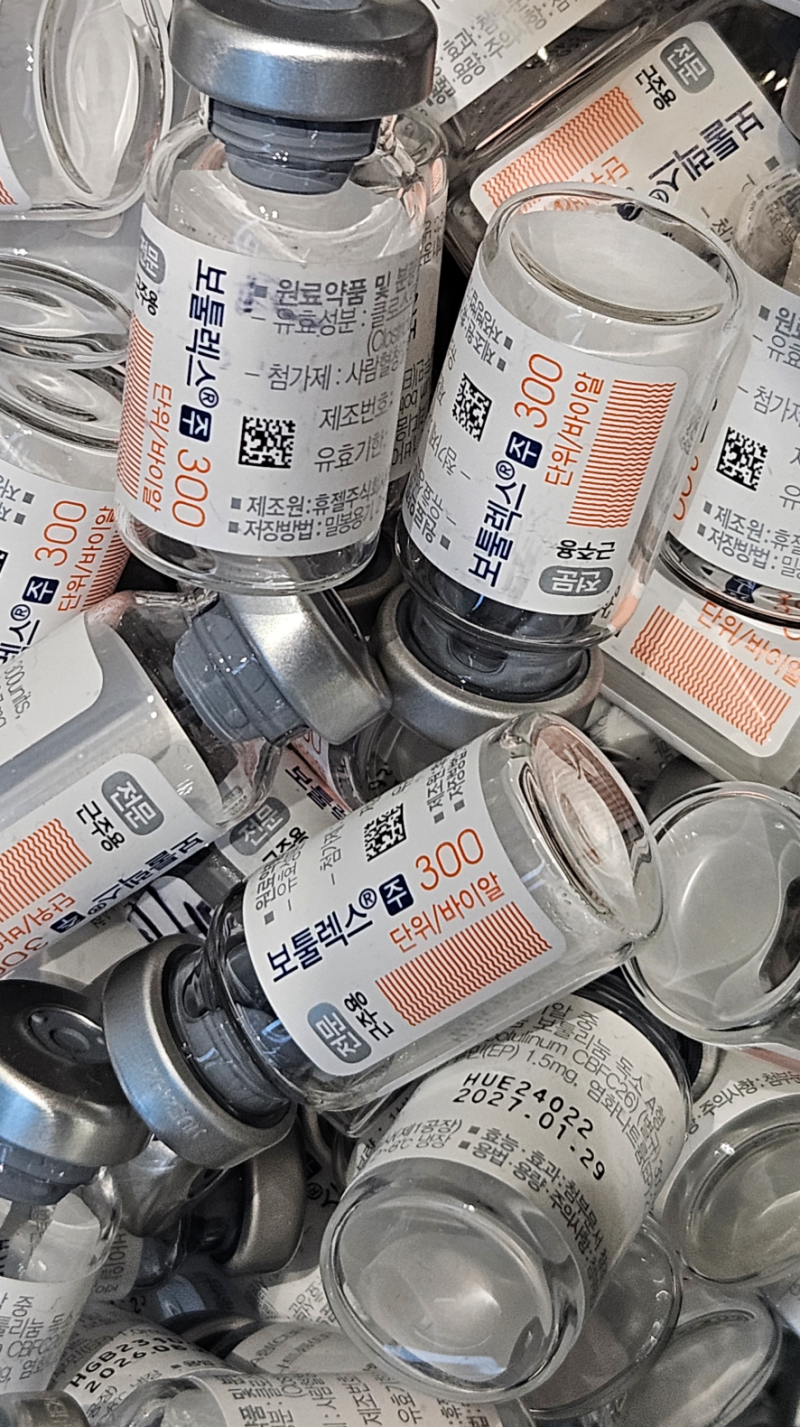
Because it needs
settling time.
It works by temporarily inhibiting the movement of the target muscle by injecting a small amount of a substance called 'botulinum toxin'.
As a result, it reduces wrinkle formation,
defines the jawline,
and is also used to alleviate hyperhidrosis and improve trapezius muscles.
However, if the injected area is irritated after the procedure and the medication spreads to surrounding areas, the effect may be reduced.
A settling period is required for it to act in the precise area.
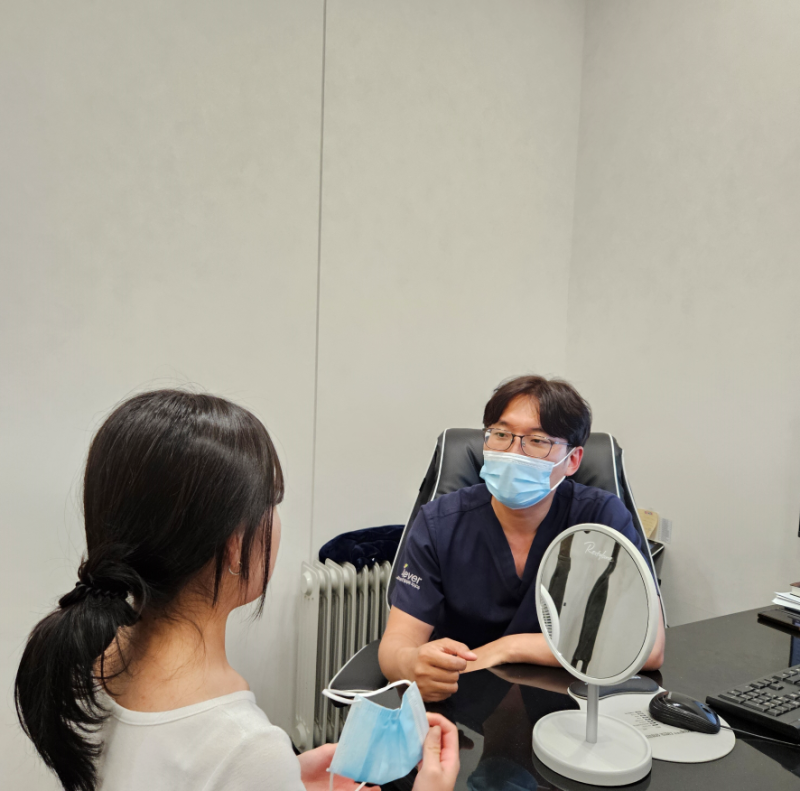
Why alcohol affects
the injection site.
When you drink alcohol, blood vessels dilate,
and blood flow increases in the body,
which can cause unexpected changes
at the injection site.
There is a possibility that the medication may spread beyond its intended range or affect surrounding muscles, and the recovery speed may also slow down.
In rare cases, facial asymmetry may occur, such as drooping eyelids or uneven lip corners.
Alcohol itself can lower immune response and potentially cause inflammation, so initial management is important, no matter how simple the procedure seems.
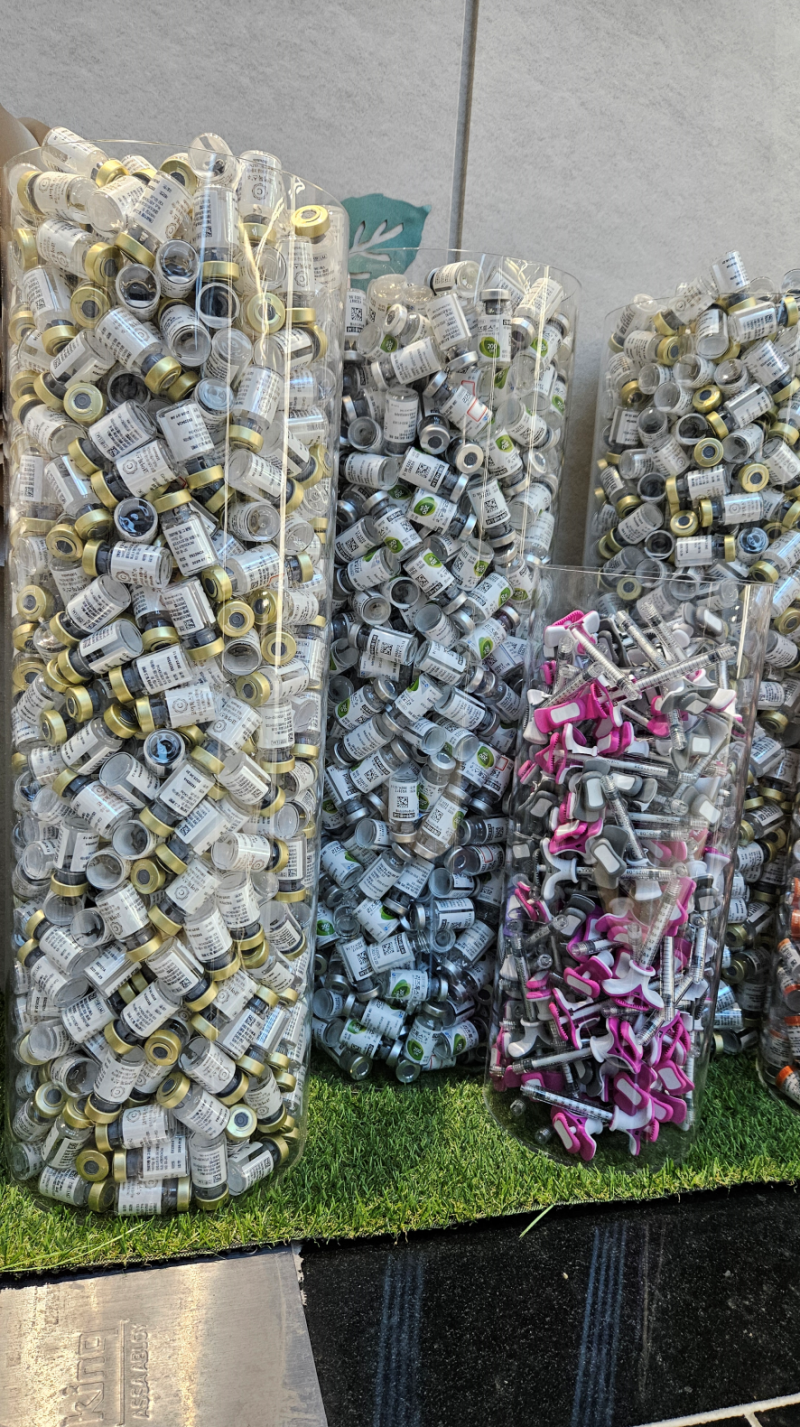
It is safe to
avoid alcohol for at least a few days after Botox treatment.
Generally, it is advisable to avoid alcohol for about 2-3 days. If your skin is sensitive or still swollen, it is better to refrain from drinking for about a week.
Recovery speed varies from person to person, so if pain or bruising persists, more time and caution are needed.
If you think 'just one drink is okay' and drink carelessly,
and experience redness or discomfort,
it is safest to seek medical attention immediately.
Besides alcohol,
there are other habits that hinder recovery.
During the recovery period, certain habits should also be managed.
It is advisable to refrain from activities that raise body temperature, such as hot saunas, jjimjilbangs, and strenuous exercise. Also, avoid pressing or rubbing the treated area.
Also, be careful not to put pressure on your face while sleeping. If you are planning for repeat treatments, it is recommended to maintain an interval of at least 3 months.
Smoking should also be avoided as much as possible, as nicotine can impede blood flow, worsen inflammation, or reduce the duration of the results.
If problems occur,
prompt action is needed.
If you have not avoided alcohol or irritants after a Botox treatment in Cheongju, you should be more sensitive to any adverse reactions.
If you experience severe swelling, heat, or abnormal muscle movement, it is important to seek medical attention immediately.
If you have a history of allergies, it is also a good idea to have your physical condition assessed through a consultation beforehand.
Ultimately, satisfactory results from Botox
depend not only on technique
but also on lifestyle habits
that aid recovery.
By being cautious for just a few days, you can expect more natural and longer-lasting results.
So, why not postpone the temptation of alcohol after your Cheongju Botox treatment for a little while?
*This post was written directly by this medical institution in accordance with Article 56 of the Medical Service Act and includes medical advertising content depending on interpretation.
Back to list