Cheongju Acne Scar: What is the Right Treatment for Me?
2025-05-02T00:00:00+00:00
This article was written by Forever Clinic Cheongju, located at Gangseo-ro, Heungdeok-gu, Cheongju-si, Chungcheongbuk-do, in compliance with Article 56 (1) of the Medical Service Act.
It was written to provide information that may be helpful to those researching skin and conditions.
Side effects and results such as swelling, pain, and bruising may vary by individual. We recommend consulting with a medical professional before undergoing any procedure.
Scars that are more stressful than acne
I'm worried about how to get rid of them...
Hello, this is Baek Doo-san from Cheongju Forever Clinic.
Even after the acne has subsided to some extent, looking in the mirror at your skin may not bring complete peace of mind.
If the surface appears clear, but uneven bumps or red marks are still noticeable, it is likely that scars have formed.
Especially deep indentations on the sides of the cheeks or around the chin
are difficult to heal on their own over time,
making them a more complex concern than initial treatment.
These marks can go beyond mere aesthetic issues and lower self-confidence.
In fact, many people seek medical attention again due to remaining marks, even after treating the lesions to some extent.
So, how should these Cheongju acne scars be managed?
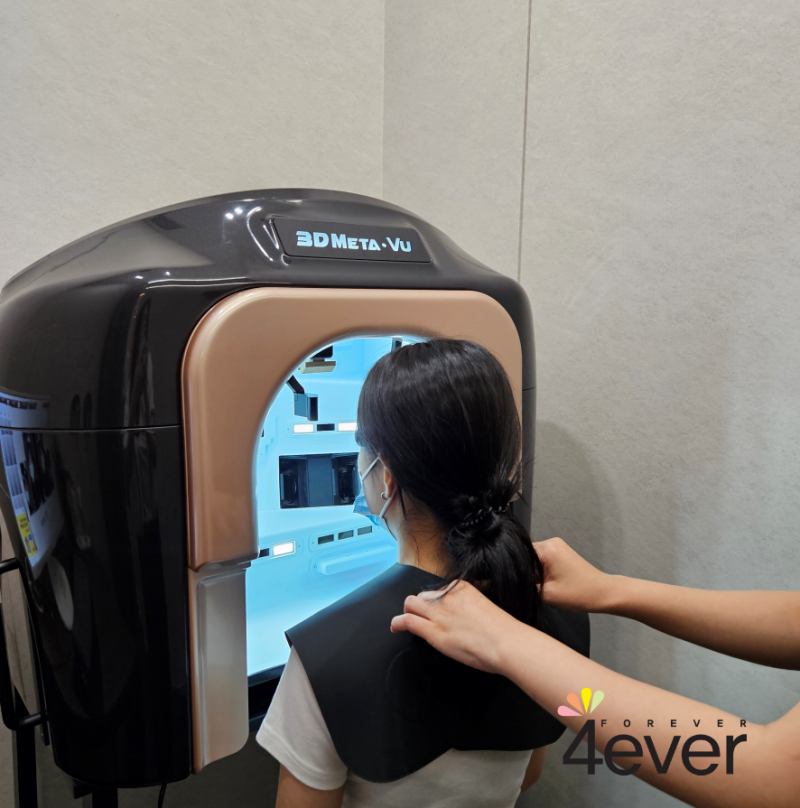
The process of forming Cheongju acne scars
is not simple.
When acne progresses to an inflammatory stage and damages the dermis, the area may not return to its original state even after healing.
Especially lesions with severe pus or those that spread deeply in cystic form can disrupt the tissue structure, leaving indented marks.
Furthermore, if excessive squeezing or repeated irritation occurs, the damage can worsen, increasing the probability of Cheongju acne scar formation.
Red pigmentation is also classified as a type of Cheongju acne scar and can darken with sun exposure.
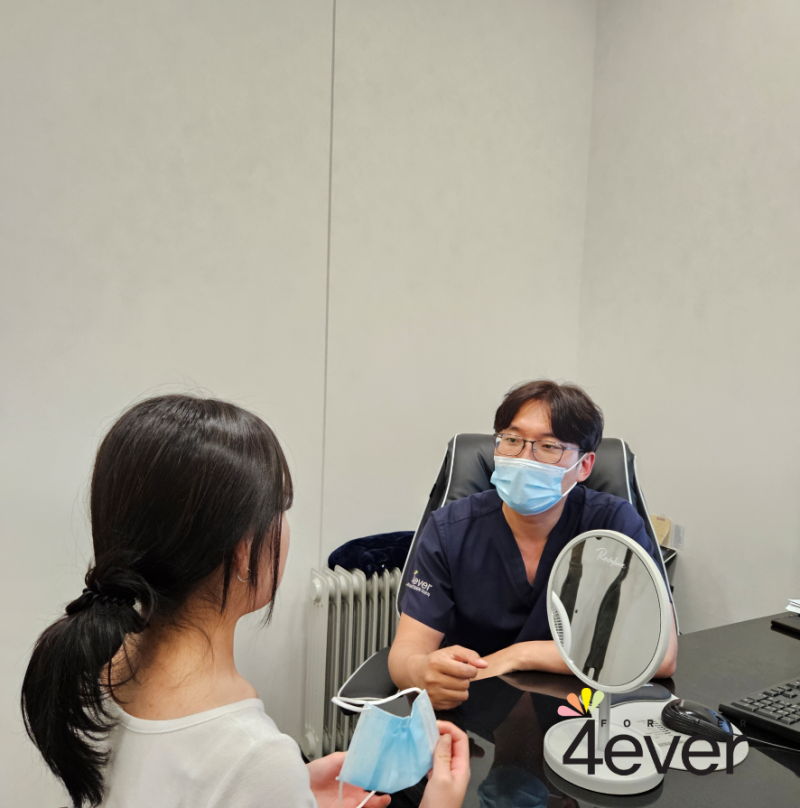
Among various treatments,
there is a method that suits you.
It's not just about one method; the approach varies depending on the condition, depth, and width of the scars.
Most commonly, a combination of peeling treatments, lasers, and peels is used.
Among these, Fraxel laser is a method that is gaining attention.
The operating principle of Fraxel is relatively simple.
It induces collagen regeneration
by creating artificially small injuries
through microthermal stimulation of the skin,
during the healing process of these injuries.
This is essentially applying the process where our skin forms scabs and regenerates after being scratched or injured.
The collagen generated in this way gradually fills in the indented areas and can also tighten pores.
It also softens the overall tone and texture and can have a positive effect on fine wrinkles.
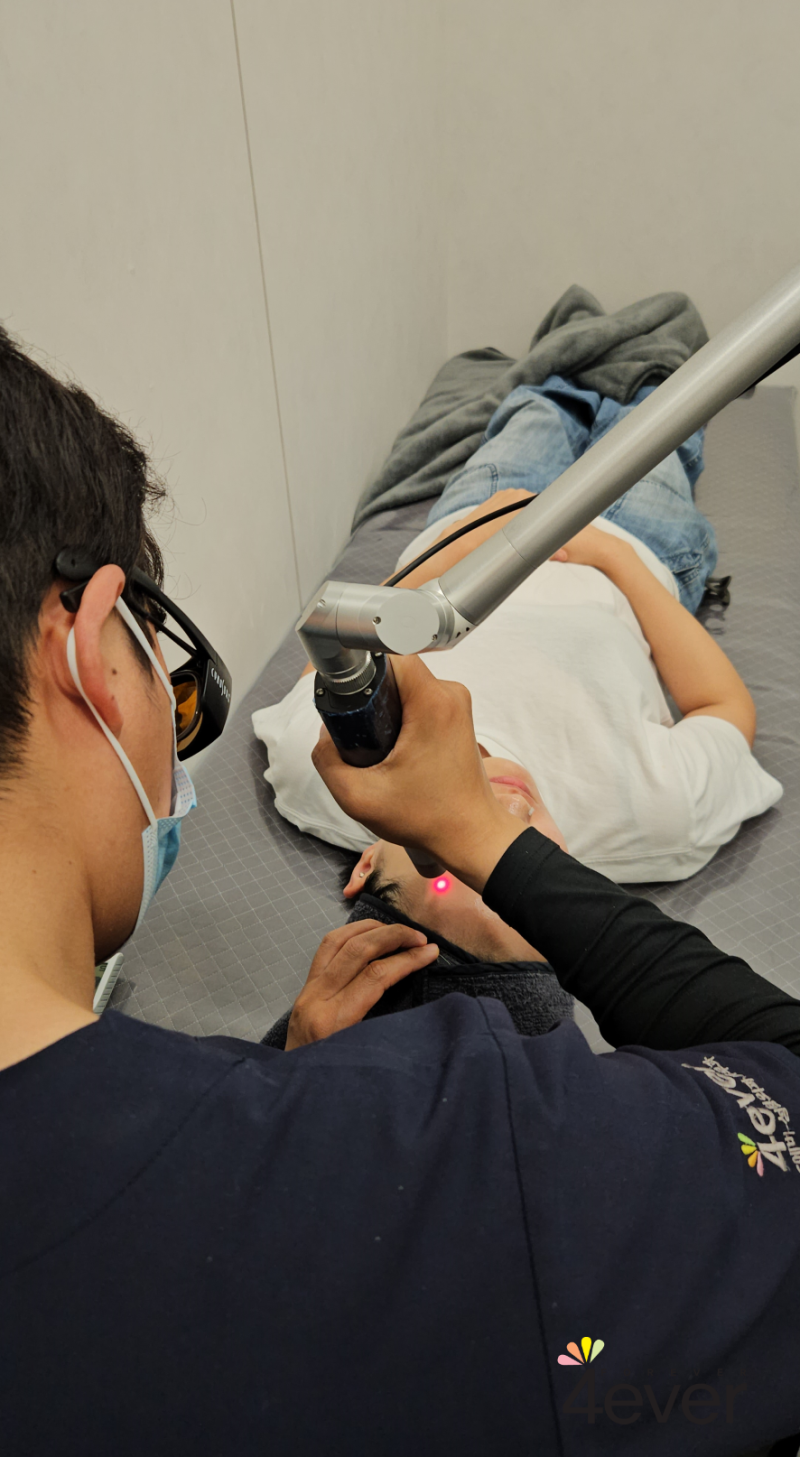
Cheongju acne scars do not improve quickly, but they are a problem that can be sufficiently improved with consistent and appropriate treatment.
Especially by effectively utilizing equipment like Fraxel, which reduces irritation and enhances regeneration results, you can achieve more satisfactory outcomes than before.
The important thing is to get an accurate diagnosis of your condition and approach it with a treatment cycle and method tailored to you.
A plan that comprehensively considers elasticity, pore size, and depth is needed, rather than just judging by the visible marks.
If you are concerned about Cheongju acne scars, try to embrace the process of gradual improvement through consistent management, rather than expecting changes from just one or two procedures.
We hope the information explained today serves as a small tip when you start your treatment. Thank you.
*This post was written directly by this medical institution in accordance with Article 56 of the Medical Service Act and includes medical advertising content depending on interpretation.
Back to list