Suwon Laser Hair Removal: The Difference Between Dark Stubble and Hyperpigmentation
2026-10-20T07:30:00+00:00
Suwon Laser Hair Removal: The Difference Between Dark Stubble and Hyperpigmentation
“I shaved this morning, but my chin still looks dark.”
“Is dark stubble also hyperpigmentation?”
“There are even brown marks around my jawline.”
Hello.
I am Geum Je-hoon, the representative director of Forever Clinic Suwon Branch.
Even after a clean shave, the chin and philtrum can appear dark.
Upon closer inspection, there may be small, dense black dots remaining, and even areas with less hair
may appear brown.
Although these two changes may look similar, their causes and management approaches differ.
Those considering facial hair removal in Suwon often confuse the dark dots left after shaving with
skin pigmentation.
When considering laser hair removal in Matan-dong, the first step is to determine whether the darkness originates from the hair or the skin.
Table of Contents
1. Dark dots remaining immediately after shaving
2. Changes in stubble and skin tone
3. Characteristics of thick and dense facial hair
4. Changes to observe during hair removal progress
5. Frequently Asked Questions
Why do dark dots appear even after shaving?
Razors cut hair that has emerged from the skin but do not remove hair beneath the skin's surface.
If the beard is thick and dark, the remaining hair beneath the skin's surface can show through,
appearing as a dark shadow immediately after shaving.
Especially in areas with dense hair like the philtrum or chin, small dots can connect, making a large area appear dark.
Laser hair removal works by using light that reacts with the melanin pigment in the hair to weaken the hair follicle's ability to produce hair.
Therefore, unlike shaving, which cuts off visible hair, laser hair removal aims to change the amount and thickness of regrowing hair.
Some individuals considering laser hair removal in Matan-dong hope to reduce this stubble shadow rather than change their skin tone.
By examining where and how densely the hair is concentrated, one can set more specific goals for the desired changes.
Stubble Shadow vs. Hyperpigmentation: A Different Approach
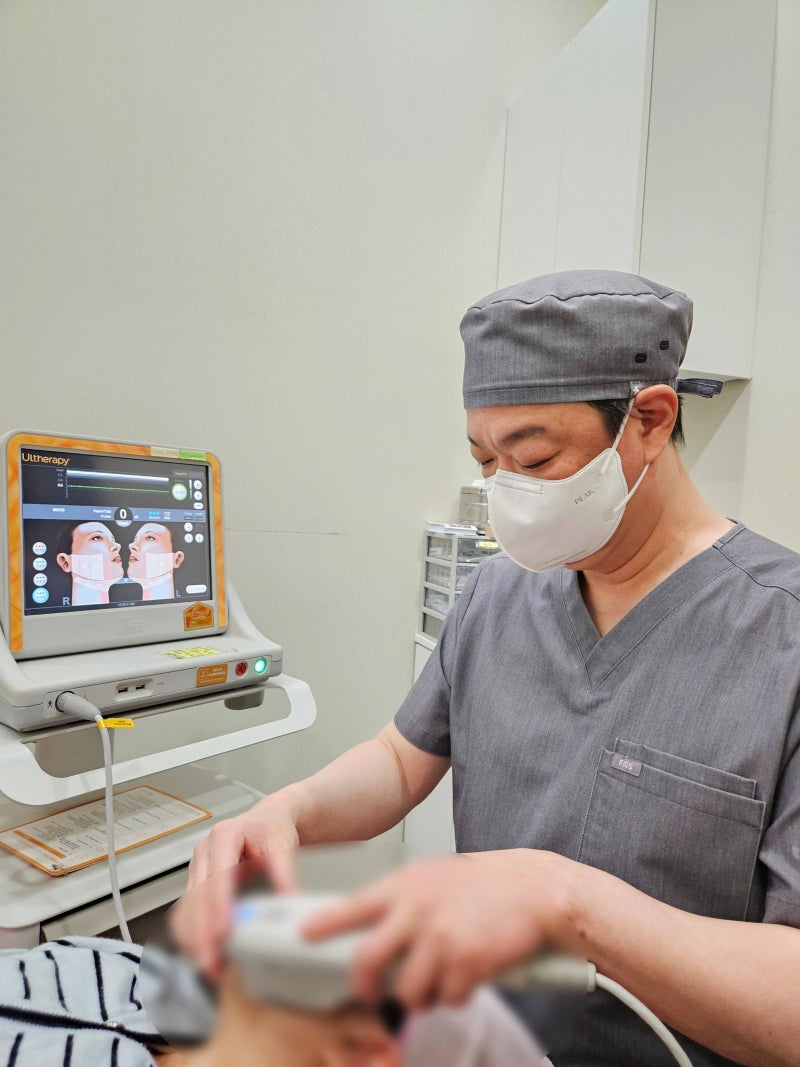
Not all dark areas after shaving are due to hair.
Repeated friction or inflammation after shaving can cause cumulative irritation to the skin, leading to brown hyperpigmentation.
Sometimes, dark spots can remain in areas where red pimples have appeared and then subsided.
These marks can persist for some time even after hair reduction, so the skin changes themselves need to be assessed separately.
The following differences can be helpful when understanding the visible appearance:
· Are there dark dots at each hair follicle site immediately after shaving?
· Do brown spots extend to areas where hair is sparse?
· Is there repeated redness or stinging after shaving?
· Do color changes remain even on days when hair does not grow?
While these points alone cannot confirm the cause, they are helpful in describing the skin's condition.
Managing hair density with laser hair removal in Matan-dong and managing existing pigmentation marks can have different objectives.
Considerations for Thick and Dense Facial Hair
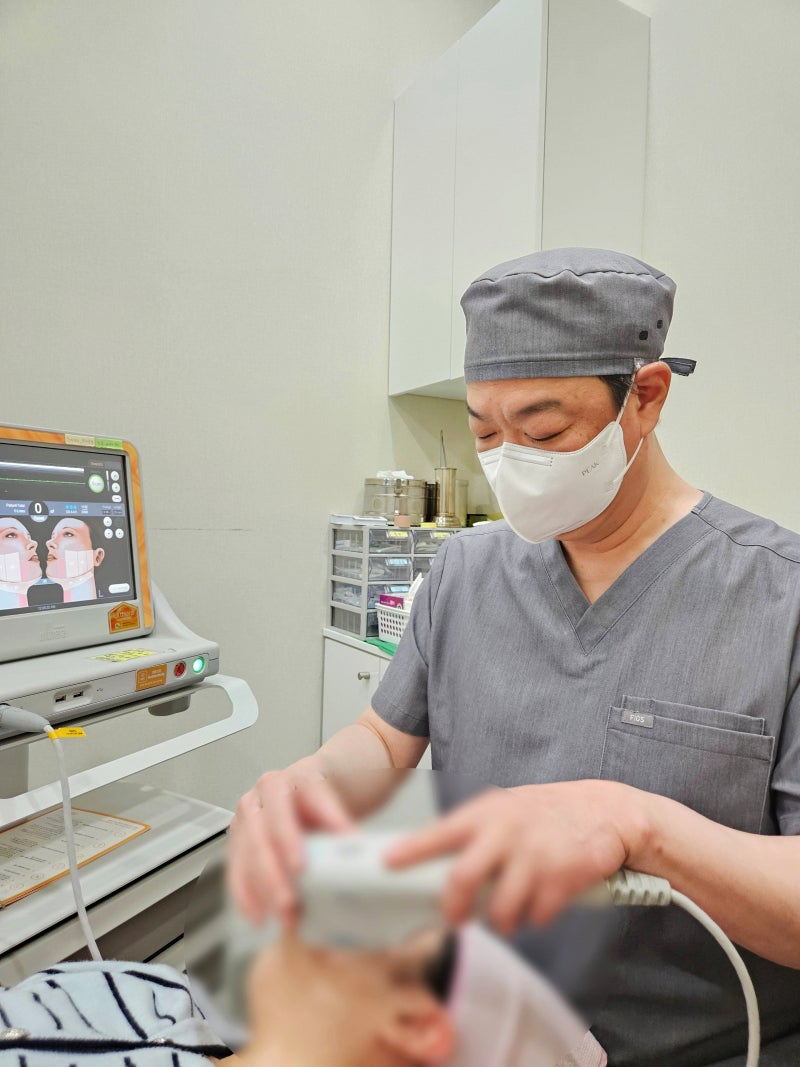
Facial hair is often thicker and denser than the fine hair on the arms or legs.
Thick hair with abundant pigment can absorb laser energy well, but this may also result in a sensation of heat or stinging during treatment.
It is necessary to consider the possibility of heat transfer to the skin, depending on skin tone and recent sun exposure.
Furthermore, areas where the skin's contour changes, such as the junction of the chin and neck, require careful attention to the treatment area and contact consistency.
Previous experiences of severe redness or recurrent inflammatory pimples after shaving also serve as a reference for predicting skin reactions.
When planning laser hair removal in Matan-dong, the treatment area is determined by considering not only hair density but also skin sensitivity and irritation history.
Beyond Hair Count: What Other Changes Should Be Observed?
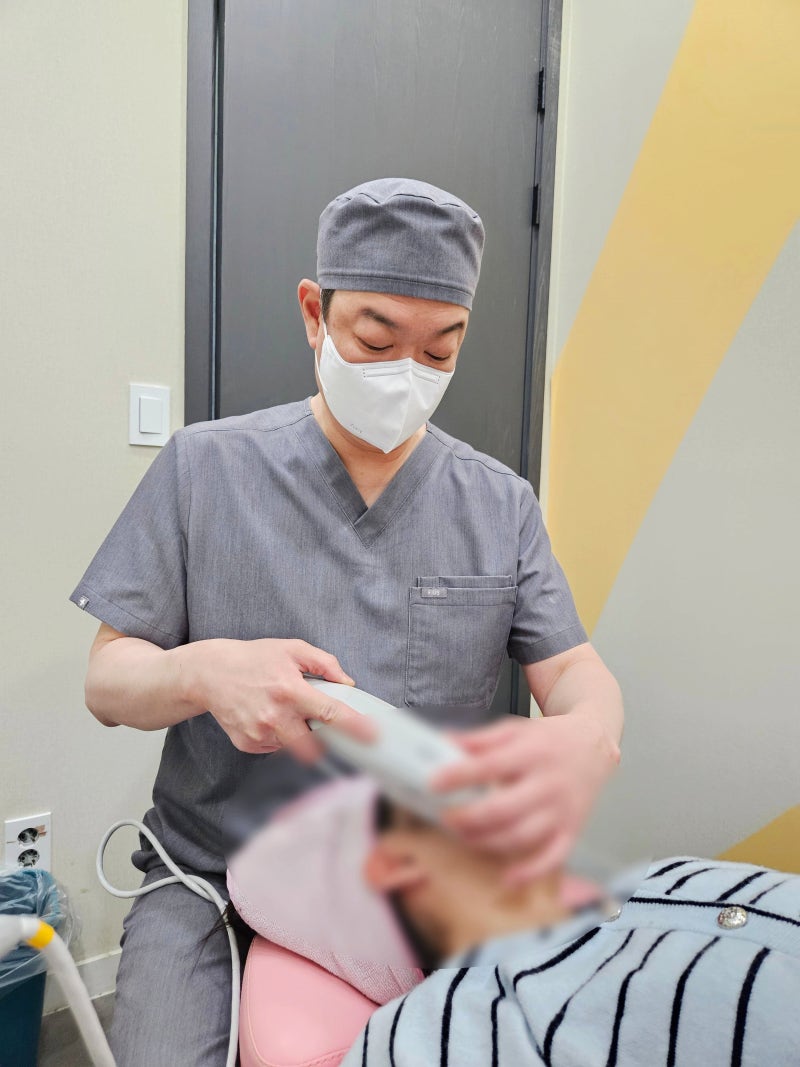
Simply counting the dark dots in the mirror may not be sufficient when assessing hair removal progress.
This is because the speed of hair regrowth and the coarseness felt during shaving can also change.
For example, some individuals who used to shave daily may find that the interval between shaves increases over time.
However, since hair goes through different growth cycles, the speed and extent of reduction may vary by area.
Temporary redness, swelling around the hair follicles, or color changes may occur after treatment. If these reactions are severe or prolonged, medical attention is required.
The progress of laser hair removal in Matan-dong is easier to understand by comparing the frequency of shaving and changes in hair thickness experienced in daily life, rather than relying on a single photograph from a specific date.
Frequently Asked Questions
Q. Can I get treatment on a chin with acne?
A. The decision to proceed with treatment will be made after assessing the location and severity of inflammation.
Q. Can I leave some of my beard and manage the rest?
A. The treatment area can be divided considering the desired beard shape and boundary.
Q. Is it okay to wash my face on the day of the procedure?
A. Gentle cleansing may be possible depending on the skin condition. It is advisable to avoid harsh scrubbing and hot water.
Q. If the treatment schedule is extended midway, do I have to start over from the beginning?
A. The subsequent treatment plan can be adjusted after assessing the current hair density and growth status.
If you are concerned about the dark shadow remaining after shaving, the first step is to differentiate between areas where hair is showing through and areas where pigment remains on the skin itself.
Understanding this difference allows for the creation of a plan without confusing the goal of reducing hair density with the goal of addressing skin marks.
Observing how the discomfort experienced during shaving changes, in addition to visual changes, also serves as a benchmark for understanding the actual progress.
This has been Geum Je-hoon, representative director of Forever Clinic Suwon Branch.
This article is informative content written in compliance with Article 56 (1) of the Medical Service Act and related guidelines.
※ This is not intended to recommend specific medical institutions or treatments, but rather to provide objective health information.
※ The content of this post is not subject to medical advertising review and is intended to convey public interest information.
※ All procedures may vary depending on individual circumstances, and unexpected situations may arise, requiring consultation with a medical professional.
Back to list