Suwon Station Ultherapy: Can faces with less cheek fat also consider elasticity management?
2026-10-20T06:32:16+00:00
Suwon Station Ultherapy: Can faces with less cheek fat also consider elasticity management?
“My jawline looks round in recent photos.”
“Is lifting possible even with less cheek fat?”
“I'm hesitant because my side cheeks look thinner.”
Hello.
I am Geum Je-hoon, the representative director of Forever Clinic Suwon Branch.
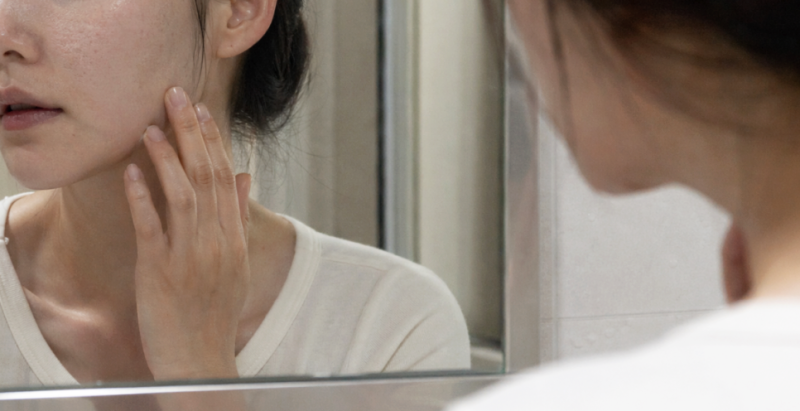
Sometimes, the jawline that used to look defined appears softer in photos, or the skin around the cheeks feels looser than before.
People with a lot of cheek fat and those with less may experience similar changes in elasticity, but the outward appearance can differ.
Especially for faces with less volume, maintaining the original facial contour is as important a concern as the changes from skin tightening.
When looking for lifting treatments in Suwon, making the face look smaller and improving the elasticity of the current contour are different goals.
If you are considering Suwon Station Ultherapy, you can start by distinguishing between areas where the skin has become loose and areas where volume is lacking.
Table of Contents
1. Difference between lack of volume and decreased elasticity
2. How Ultherapy works on the skin
3. Treatment plan for faces with less cheek fat
4. When changes appear and progress
5. Frequently Asked Questions
Even if the jawline appears blurred, the cause can vary
Facial contours are influenced not only by skin elasticity but also by the amount and distribution of subcutaneous fat and bone structure.
For example, if the center of the cheeks appears flat or sunken, a decrease in volume may be a significant factor.
Conversely, if the skin above the jawline has become loose, blurring the boundary, changes in skin elasticity may be involved.
When both occur simultaneously, it is necessary to consider the overall balance rather than focusing on only one aspect of the change.
Among those considering Suwon Station Ultherapy, some worry that their face will look even thinner after lifting due to having less cheek fat.
In such cases, it is more important to clarify which parts of the face you want to maintain rather than simply making the jawline more defined.
How does Ultherapy work on the skin?
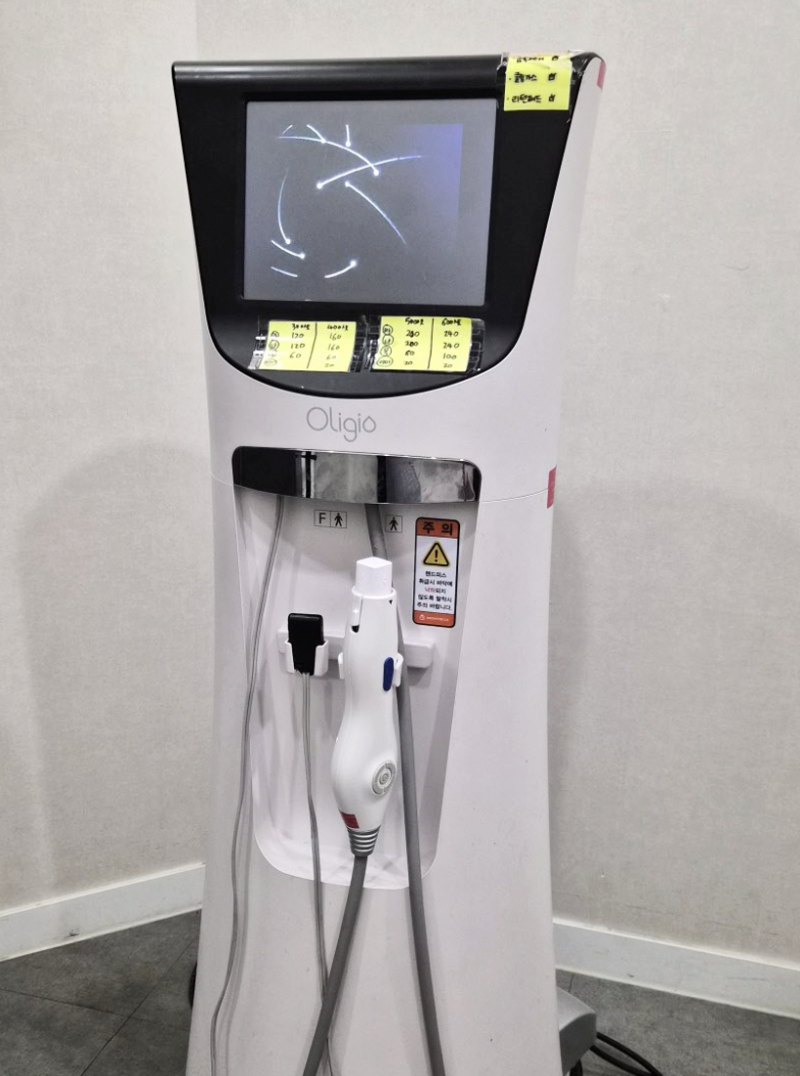
Ultherapy is a lifting treatment that delivers monopolar radiofrequency energy using a contact device on the skin.
The delivered heat affects the collagen in the dermis, inducing changes in elasticity-related tissues.
Both the temporary contraction response due to heat and the gradual collagen remodeling that follows can be involved.
Since its function is different from directly filling sunken areas, you need to think specifically about what changes you expect in your current facial contour.
When researching Suwon Station Ultherapy, understanding the principle of skin elasticity management and methods for supplementing volume separately can help in setting treatment goals.
During the procedure, cooling and vibration functions can help reduce heat and discomfort on the skin surface, but the actual sensation can vary.
If you have less cheek fat, will the entire face be treated the same?
Faces with noticeable hollowness below the cheekbones and faces with loose skin around the jawline have different areas to emphasize.
If you want to maintain volume in the center of the cheeks, you can plan elasticity management in areas that need it while considering the shape of that area.
The treatment location and scope of application consider factors such as facial thickness, degree of sagging, skin sensitivity, and previous treatment history.
When planning Suwon Station Ultherapy, it is important to specifically determine the expected changes for each area rather than treating multiple areas intensely at once.
Observing the contours when smiling or talking, as well as when at rest, can help to more clearly distinguish the areas of concern.
The key is to determine the scope of application by considering both the goal of improving skin elasticity and the goal of maintaining existing volume.
What is the difference between the appearance immediately after the procedure and after some time has passed?
Immediately after delivering radiofrequency energy, the skin may appear slightly red, feel warm, or swell.
These temporary reactions usually subside over time, but in rare cases, adverse reactions such as blisters or burns can occur.
Even if the facial contour appears different due to initial swelling, it is not considered the same as long-term elasticity changes.
Changes related to collagen can appear gradually over weeks to months, so it is helpful to compare images taken under similar lighting and angles when observing the progress.
After the procedure, reducing heat stimulation to the skin and maintaining hydration and sun protection can help with recovery management.
If discomfort worsens or adverse skin reactions occur, they should be distinguished from normal redness and require evaluation by a medical professional.
Frequently Asked Questions
Q. Is anesthesia necessary during the procedure?
A. The decision on whether to use anesthesia is made based on pain sensitivity and the treatment area, and cooling functions can be used in conjunction.
Q. Can areas where I previously received fillers also be treated?
A. The suitability and scope of radiofrequency treatment are determined after reviewing the previous treatment area, timing, and the filler used.
Q. Can I wear makeup on the day of the procedure?
A. Makeup application is decided based on the degree of redness or irritation of the skin and the time advised by the medical staff after the procedure.
Q. Is the interval between repeat treatments always the same?
A. The timing of the next treatment is determined considering the skin condition, previous response, and expected changes.
For faces with less cheek fat, the important thing is not simply to lift more, but to consider both the areas that need elasticity improvement and the areas where the current contour should be maintained.
When planning Suwon Station Ultherapy, the approach differs depending on whether you want to improve jawline elasticity or address hollowness in the center of the cheeks.
Rather than expecting the same change across the entire face from the start, specifically identifying the areas you are most concerned about will help in making a decision.
This was Geum Je-hoon, representative director of Forever Clinic Suwon Branch.
This article is informative content written in compliance with Article 56 (1) of the Medical Service Act and related guidelines.
※ It is not intended to recommend specific medical institutions or procedures, but to provide objective health information.
※ The content of this post is not subject to medical advertising review and is intended to convey public interest information.
※ All procedures may vary depending on individual circumstances, and unexpected situations may arise, so consultation with a medical professional is necessary.
Back to list